Sustainability communications have developed their own house style, and that is part of the problem.
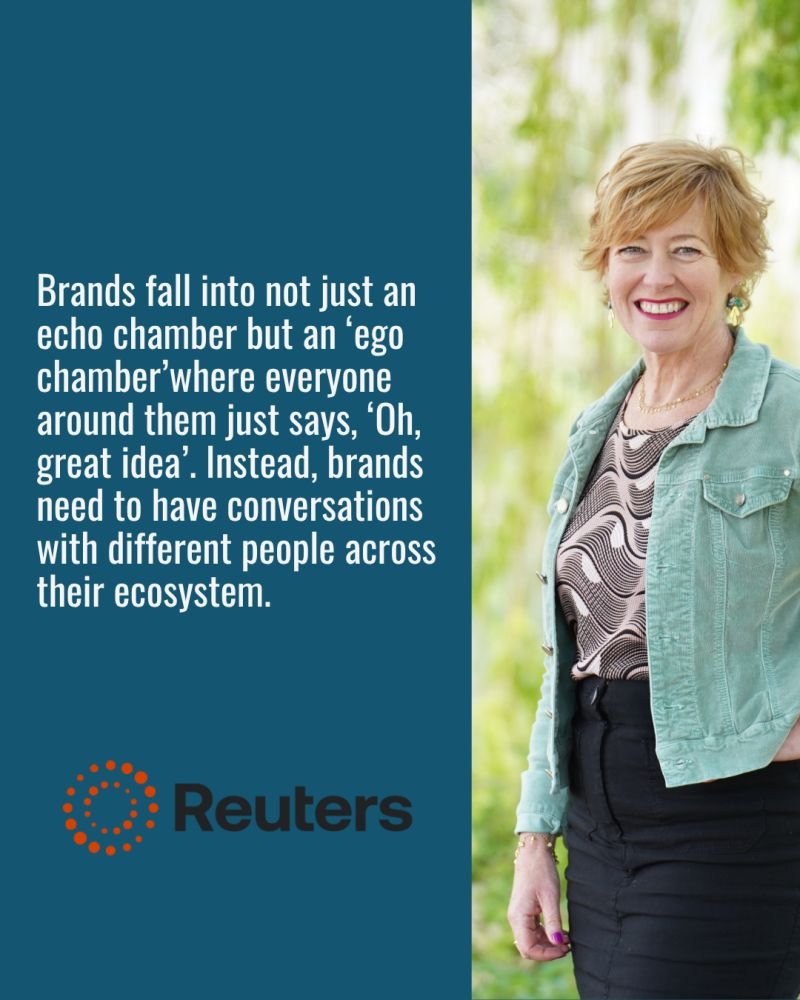
The intentions behind them are often genuine. But when the same phrases circulate across the same networks, validated by the same voices, something starts to close down rather than open up. It's not just an echo chamber. It becomes what I'd call an ego chamber, where everyone around you reflects your own story back at you and says its good.
The problem with that is not just aesthetic. A story that only travels within a single ecosystem cannot build the kind of shared meaning that actually changes behaviour. It stays convincing only to the people who already believed it.
Two things are needed to break out of that pattern.
The first is a multiplicity of voices, genuinely diverse from across an organisation's ecosystem rather than just its inner circle.
The second is a real commitment to co-creation, which means being willing to let the story change and evolve in the process of growing and sharing it.
Unilever's development of its pioneering sustainable living plan was informed by a deep listening exercise that involved something like 2,000 stakeholders. That kind of listening goes past due diligence. It is what gives a story the texture and credibility to travel beyond the people who made it.
I spoke about this with Oliver Balch, PhD for a piece that has just been published in Ethical Corporation Magazine via Reuters. Grateful for the chance to contribute to the conversation.
Read the full article Here