My writing, thinking and conversations I've been part of.
Insights and mediaInsights





Media
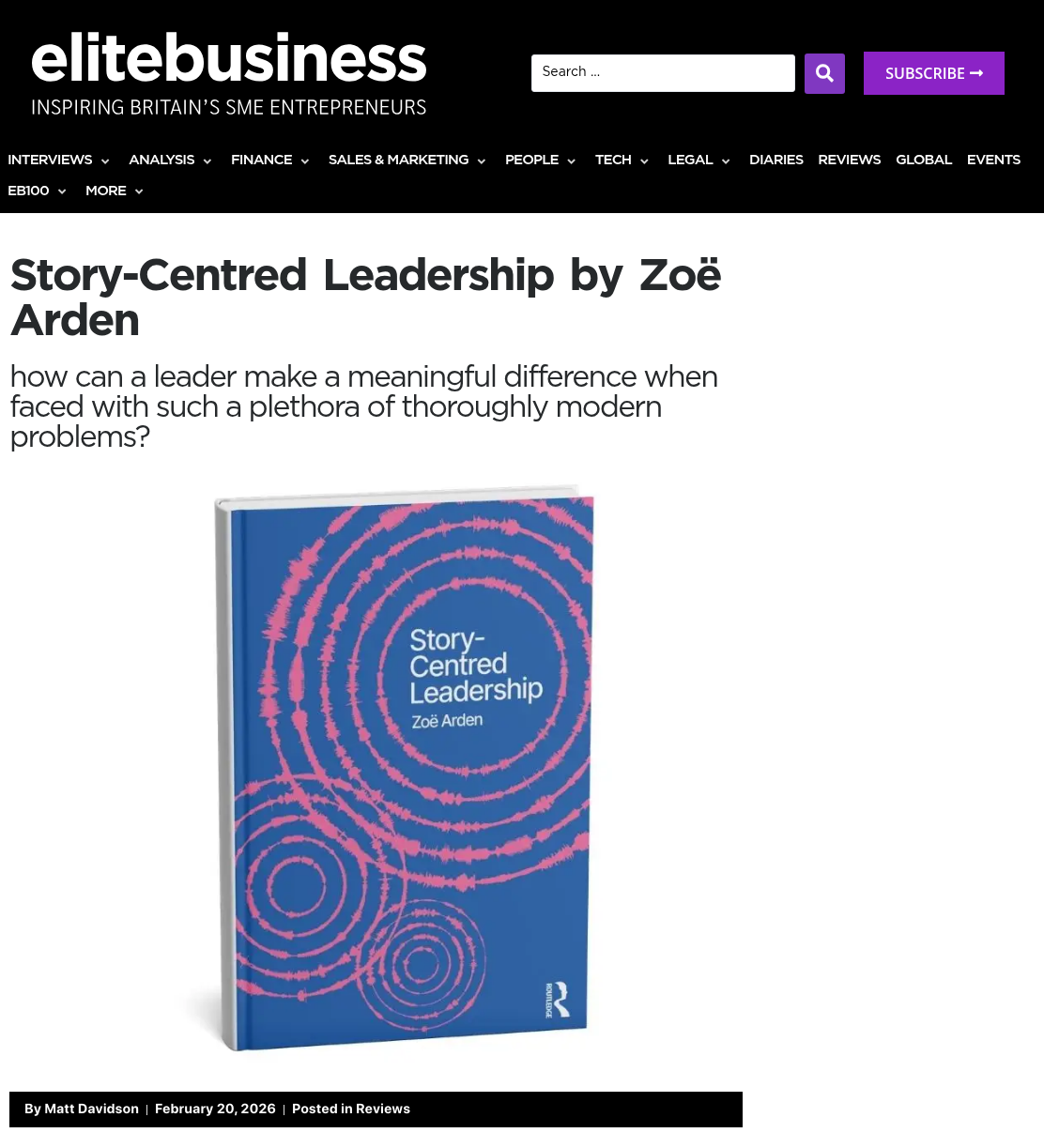
Insights and mediaLast week we learned of the four cities that have been shortlisted to be UK City of Culture 2029.
It reminded me of the story Abigail Scott Paul shared in my book of what happened when Leeds became European Capital of Culture. The Brexit vote meant that it could not go ahead but the city chose to proceed with a year-long celebration of culture anyway. It became the opportunity to create a different story about Leeds, previously been best known by many for football and shopping.
If you work in HR, you’re involved in many of the moments when people encounter an organisation’s story, from onboarding to team retrospectives.
I think one of the biggest misconceptions about workplace storytelling is that it travels in one direction, from the leader to the team. A leader sharing their “why” gives people a reason to support a change. When people experiencing a change contribute their stories, they can influence how the organisation understands and communicates it.
My team clocked me saying “you know” 22 times in one minute.
I found this out when I was leaving a role at a communications consultancy. I was given a leaving card listing my “fun facts” which were all quite amusing until got to one that I absolutely floored me – how much I used the filler words “you know”.
Over the last few months, I’ve shared masterclasses and advice with people working in financial crime, compliance, construction, project management and quality assurance.
And you might think, what do these groups need storytelling for?
It’s a fair question. These are very different industries with very different challenges and very different kinds of expertise.
The more content AI helps us produce, the harder we have to work to make it meaningful. Yes AI makes it easier to create, adapt and share information at speed. That has obvious benefits. But it also means we are surrounded by more content competing for our attention. Some are calling this AI ‘slop’.
And organisations are looking for ways to distill the slop with discernment. Consider these market signals:
Yesterday, the Edinburgh Fringe closed its doors for another year. Like thousands of others, I loved it and while watching many incredible shows, I found myself pondering leadership. In particular, I was thinking about the principles of connected, collective, creative and courageous leadership that I explored with Louise Drake and Gillian Secrett in the Cambridge Institute for Sustainability Leadership (CISL) framework we co-authored.