Last week we learned of the four cities that have been shortlisted to be UK City of Culture 2029.
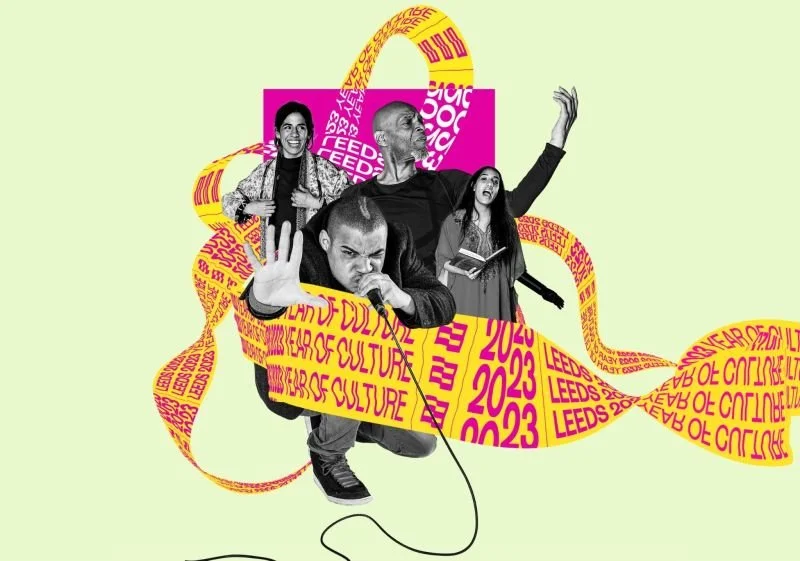
It reminded me of the story Abigail Scott Paul shared in my book of what happened when Leeds became European Capital of Culture. The Brexit vote meant that it could not go ahead but the city chose to proceed with a year-long celebration of culture anyway. It became the opportunity to create a different story about Leeds, previously been best known by many for football and shopping.
And I love how they approached it. They involved the people living there! Abigail Scott Paul saw this first hand in her role as director of external relations and strategic partnerships.
She put it beautifully:
“To get different stories you need to different storytellers.”
Through the My LEEDS 2023 programme, communities across all 33 wards developed cultural initiatives rooted in their own stories and histories.
In Wetherby, people revived the story of the Drovers who once took cattle down to London. In Kirkgate Market, there was Indian dancing. At Armley Mills, the story of disabled textile workers was brought to life.
The celebrations created were a powerful example of the magic that is manifest when people have an active role in co-creating stories from their perspectives. They bring forward histories and insights that might otherwise be overlooked which in this case resulted in a much richer, multi-dimensional picture of Leeds.
Organisations can learn from this. When we want to change how people see an organisation or an issue, we must first ask whose experiences are shaping the story? And who are the culture carriers?
For the winning city in this case it could be the beginning of something similar. I'm interested to see the city story that unfolds - whether it’s Milton Keynes, Blackpool, Wrexham or Sheffield that is selected.
Image Sourced from visitleeds.co.uk