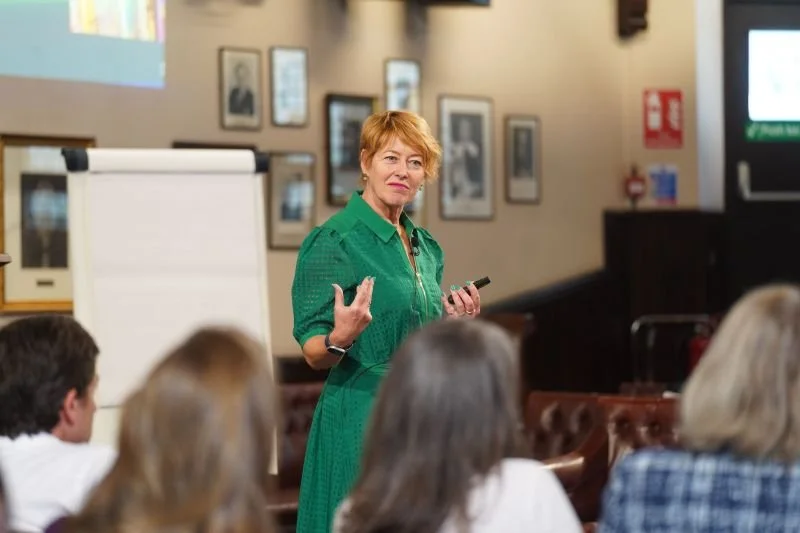
May was National Share a Story Month. Most of the focus was, quite rightly, on children: families, schools and libraries making time to read aloud and celebrate the stories that bring people together.
But it also left me thinking about the stories adults gather around at work.
Every organisation I work with is already full of them. Stories about how decisions are really made. Stories about who belongs. Stories about what happens when someone speaks up, challenges the norm or gets something wrong.
Some are told loudly on stages, in strategy decks and on LinkedIn. Others are whispered, half-spoken or passed between people in fragments, and still gather enough momentum to shape behaviour.
Which stories are shared, and which are brushed aside, shape the culture people experience.
When a leader talks only about quarterly performance, they are telling a story about what counts. When they make space for a frontline colleague to describe a moment they felt proud of their work, or for someone to name a time they felt excluded, they are telling a different one.
Storytelling is not decoration in moments like that. It is part of how people make meaning together.
I often say we are not just consuming stories, we are organising ourselves around them. That is one reason story listening matters as much as story sharing. Before leaders try to create a new narrative, they need to understand the ones already shaping the room.
I write more about that in Story-Centred Leadership
Take a beat and listen closely: what story is your team already organising around?