InsightsArticles, reports and reflections.

Why Every Leader Needs Storytelling
Over the last few months, I’ve shared masterclasses and advice with people working in financial crime, compliance, construction, project management and quality assurance.
And you might think, what do these groups need storytelling for?
It’s a fair question. These are very different industries with very different challenges and very different kinds of expertise.
The Leadership Skill AI Can't Replace
The more content AI helps us produce, the harder we have to work to make it meaningful. Yes AI makes it easier to create, adapt and share information at speed. That has obvious benefits. But it also means we are surrounded by more content competing for our attention. Some are calling this AI ‘slop’.
And organisations are looking for ways to distill the slop with discernment. Consider these market signals:
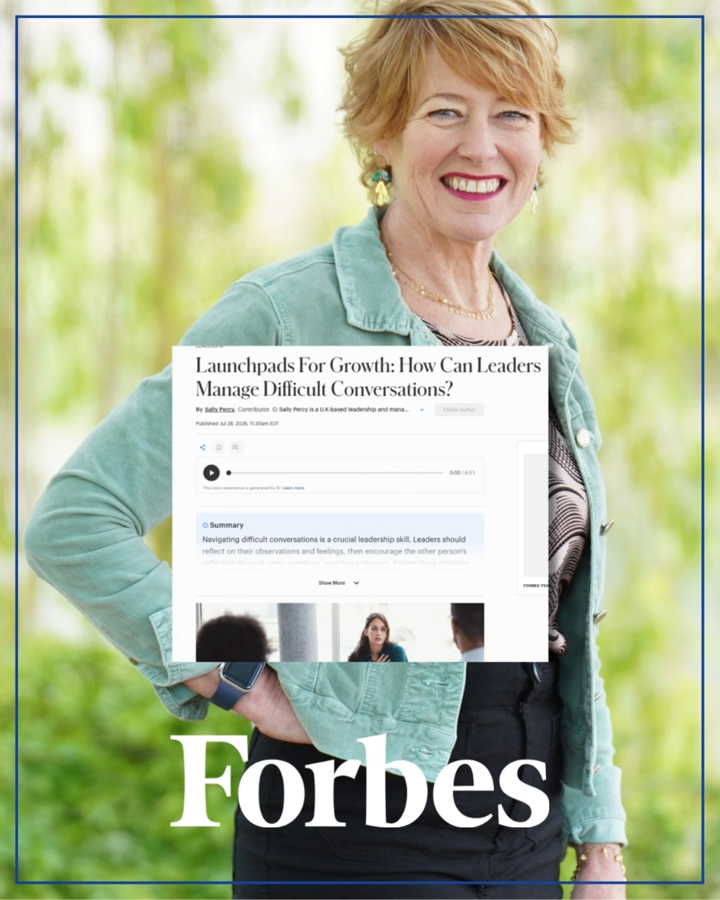
How Can Leaders Manage Difficult Conversations?
Listening is the foundation of story-centred leadership. It sounds simple, but in practice it can be one of the hardest things to do well.
If you’ve ever caught yourself listening while simultaneously preparing your response, it’s easy to mistake waiting for your turn to speak with actual listening.
I’ve caught myself doing this too. Someone is sharing an idea, and part of my mind is already moving ahead to what I want to say next.

Why Stories Are Your Secret Sauce
"Culture eats strategy for breakfast."
This is quoted so often because it speaks to a real problem.
A strategy can be thoughtful, well built and full of good intentions, and still fail to take hold.
Part of the reason is that we pay a great deal of attention to the plan and far less to the invisible operating system underneath it. Culture shapes behaviours, decisions and beliefs, and culture is built on stories.

No Laughing Matter: How Leaders Can Use Humour To Unite Not Divide
When I run storytelling sessions, I often start by asking people to share a story of passion with a partner.
It usually raises a few eyebrows, but the difference afterwards is clear. People laugh, smile and seem more at ease. Part of the point is simply to get their story muscles warmed up by talking about something they genuinely love, whether that is a person, a place or a pastime.
That is quite different from the way many people speak about work.

Don’t Become A Political Referee: How To Lead A Polarized Team
We are very good at turning our colleagues into villains.
It doesn't happen consciously. But when we're under pressure or feel like we're not being heard, the story we reach for is that someone else is the problem.
I was delighted to be quoted in this piece for Forbes by Sally Percy on leading polarised teams.
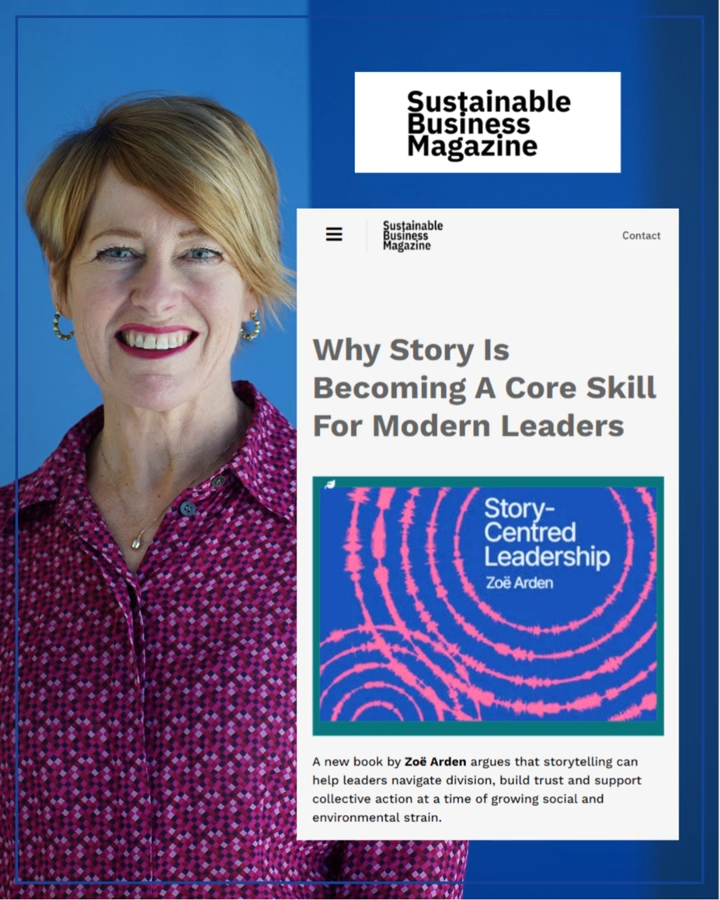
Why Story Is Becoming A Core Skill For Modern Leaders
When that story is coherent, people commit. When it fractures, no amount of language can repair the trust gap.
This is why storytelling is becoming a core skill for modern leaders.
... Not because leaders need to be more charismatic.
... Not because brand teams need better copy.
But because strategy, culture and social impact are all narrative constructs before they are operational realities.
How to Use Storytelling to Retain and Engage Top Talent
When the organisation’s narrative says one thing and daily reality delivers another, when the only wins that count belong to a narrow few, or when a high performer can’t see a future version of themselves at the workplace without shrinking, stretching or performing.
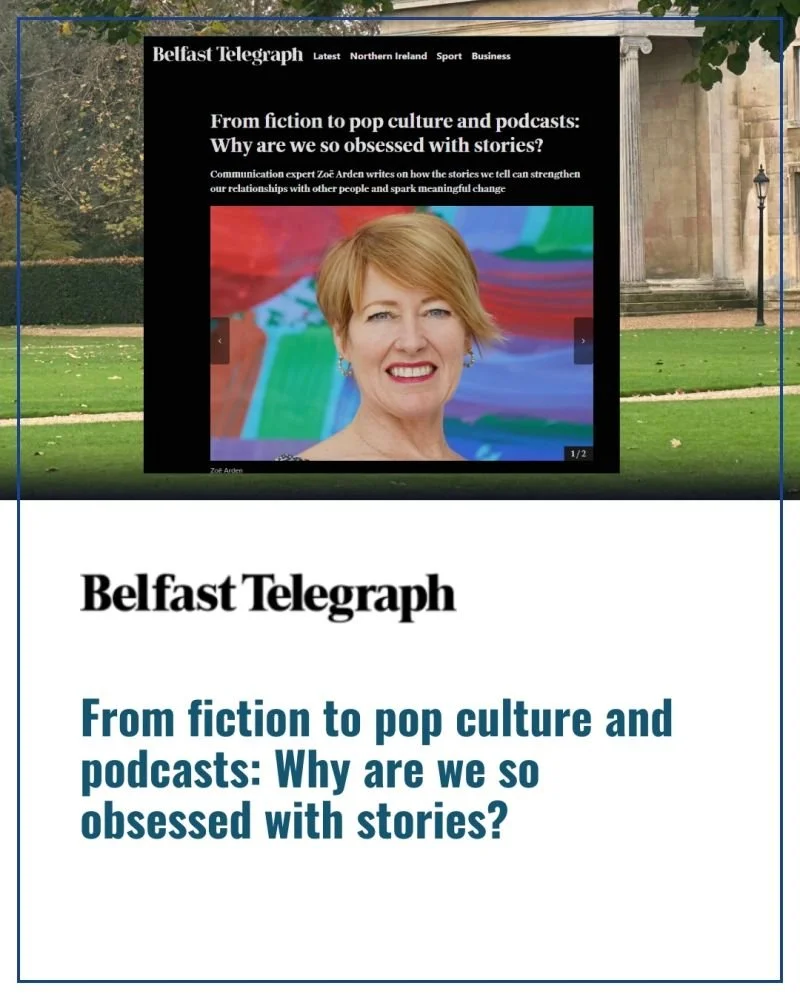
Why Are We So Obsessed With Stories?
From fiction to podcasts to pop culture, our appetite for story is often described as escapism or entertainment. But that framing misses something more fundamental. Stories are how human beings make sense of complexity. They are how we decide who is right, who is wrong, who belongs and what matters, even when we know things are not that binary.
And that does not switch off when we walk into work.

How to Shape Effective Sustainability Stories in 2026
Every sustainability strategy is carried by a story. A story about responsibility, risk, trade-offs and long-term value. If leaders become hesitant to articulate that story clearly, the vacuum is quickly filled by confusion, cynicism or silence.
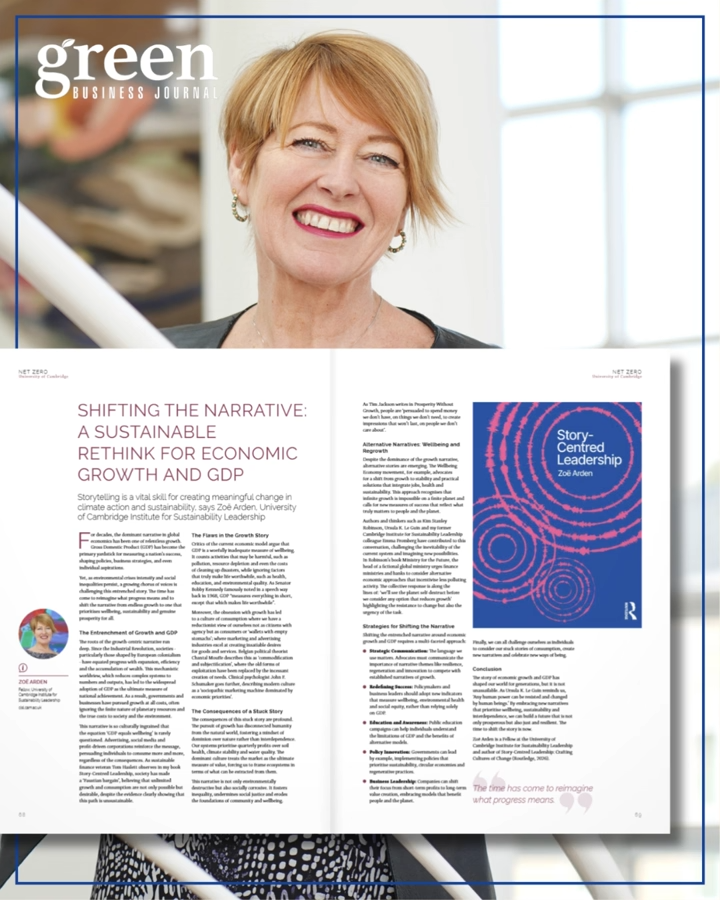
Rethinking Growth
Leaders are being asked to move faster, deliver more, and scale continuously, while at the same time responding to complex, systemic challenges that don’t operate on those timelines.
It requires a different kind of response.
One that involves slowing down in order to see more clearly.
Creating space to think, rather than reacting to inherited assumptions.
Questioning what sits underneath the metrics we congregate around.

Storytelling – The Essential Skill Every HR Professional Needs
Most HR professionals I meet are already working with stories every day, whether they call it that or not. You hear them in performance conversations, in “culture fit” decisions, in grievance processes, in restructures, in who gets labelled “high potential” and who quietly gets managed out.

Why Hearing Different Voices in Our Business Stories Matters More Than Ever
Leadership is always organised around a story.
The question is: whose?
In every organisation there is a dominant narrative.
The strategy story.
The performance story.
The growth story.
And often, without anyone consciously choosing it, that story becomes anchored in the perspective of the most senior voice in the room.

In an A.I Driven World, Storytelling is Becoming Leadership’s Most Critical Skill
One of the strangest side effects of the A.I. era is that communication is getting faster… and less human.
That’s what this piece for Observer explores: why storytelling is quickly becoming one of the most critical leadership skills, not because leaders need to “perform”, but because people need help making sense of what’s happening, what it means and where they belong in it.
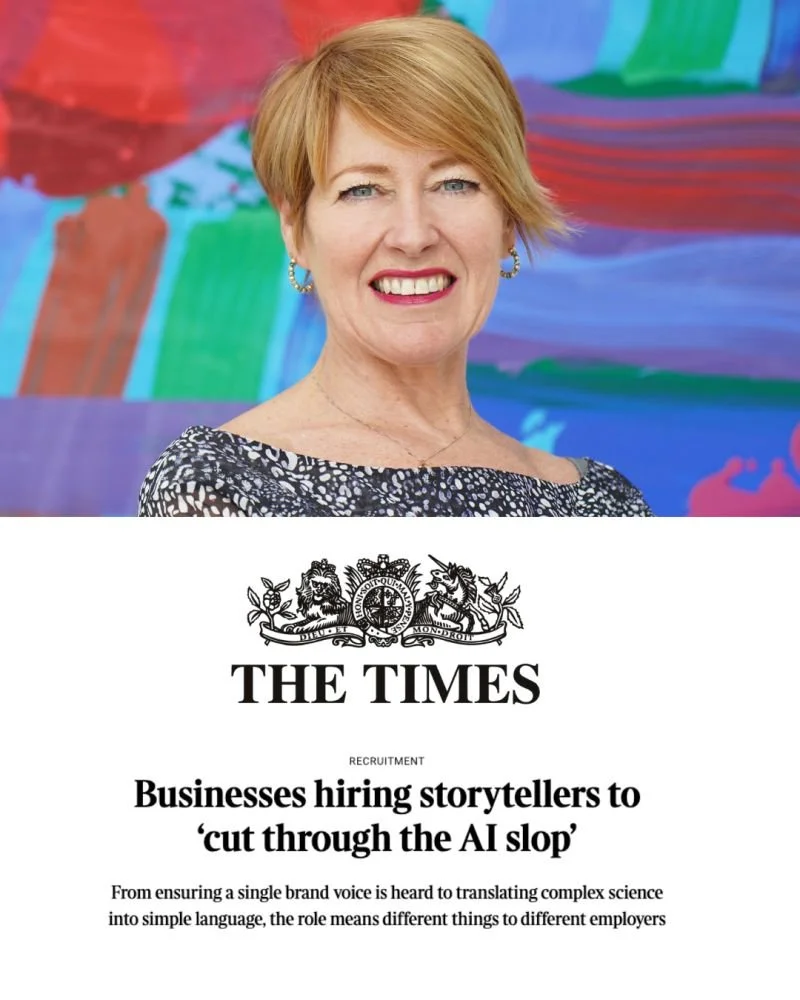
Businesses hiring storytellers to ‘cut through the AI slop
Story is not a soft skill. It is a leadership tool.
When everything is faster, cheaper and more “generated”, people look for what feels REAL: meaning, coherence and connections they can trust.
Most comms still starts with what we want to say.
Storytelling starts with what people care about, then earns attention by being useful, human and specific.
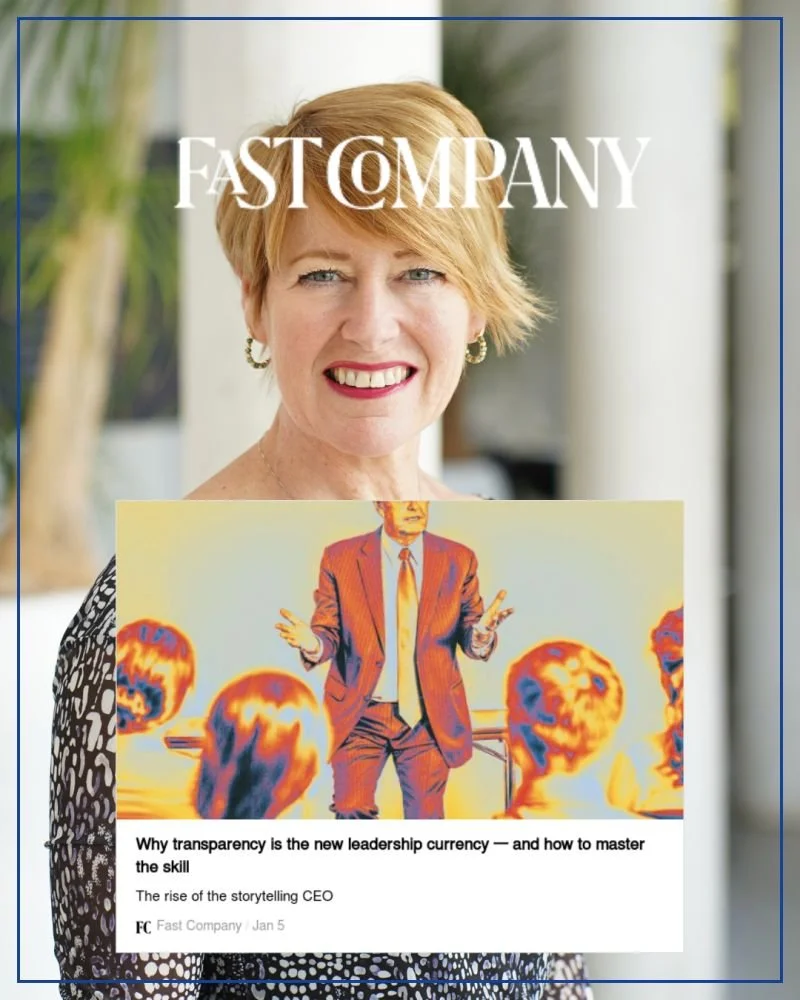
Transparency is the New Leadership Currency
I wrote this Fast Company piece because so many leaders are being asked to communicate through uncertainty, polarisation and rapid change, while still keeping people together and moving.
My invitation is simple: the leaders earning trust right now are the ones who can share the reality in a way people can hold. Not with corporate gloss or over-confidence. But with context, humility and a story people can co-create.

The Power of Pause
When a new year comes, there is often a subtle pressure to turn immediately towards what comes next: new plans, renewed momentum, a sense that hope must be tied to movement and that standing still risks being left behind.

Interview on The Extraordinary Business Book Club
I recently had the pleasure of being interviewed on the Extraordinary Business Books podcast to talk about my book Story-Centred Leadership.